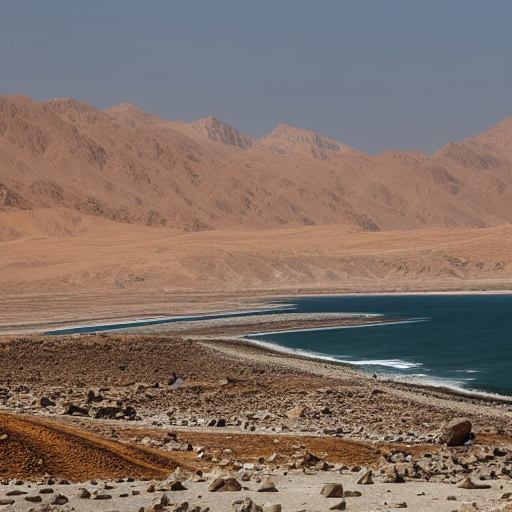
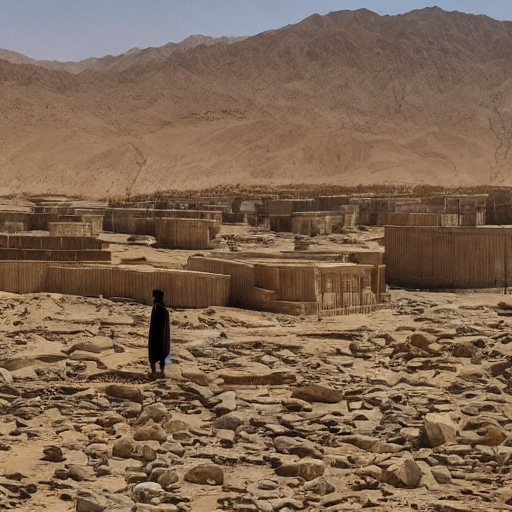
Balochistan, the largest province of Pakistan by area, is grappling with a severe water crisis that threatens the livelihoods of its people and the sustainability of its ecosystems. Despite its vast landscapes and natural resources, the province faces significant challenges in accessing clean and sufficient water. This blog post delves into the root causes of Balochistan's water crisis and explores potential solutions that could bring about meaningful change.
Understanding the Crisis
The water crisis in Balochistan is not a new phenomenon, but its severity has increased over the years due to a combination of natural and human-induced factors. The region's arid climate, coupled with irregular rainfall patterns, has always made water a scarce resource. However, climate change has exacerbated these conditions, leading to prolonged droughts and unpredictable weather patterns.
Population Growth and Urbanization
As Balochistan's population continues to grow, the demand for water has surged. Urbanization, particularly in cities like Quetta, has put additional pressure on the already strained water resources. The rapid expansion of urban areas often leads to the over-extraction of groundwater, depleting aquifers faster than they can be replenished.
Agricultural Practices
Agriculture is a vital part of Balochistan's economy, but traditional farming methods often rely heavily on water-intensive crops. Inefficient irrigation techniques and lack of modern infrastructure contribute to significant water wastage. Without sustainable agricultural practices, the water crisis will only deepen.
Potential Solutions
Addressing Balochistan's water crisis requires a multi-faceted approach that involves government intervention, community engagement, and technological innovation. Here are some potential solutions that could make a difference:
Infrastructure Development
Investing in water infrastructure is crucial for improving water distribution and storage. Building dams, reservoirs, and efficient irrigation systems can help capture and manage water resources more effectively. Additionally, repairing and upgrading existing infrastructure can reduce water loss due to leaks and inefficiencies.
Promoting Water Conservation
Educating communities about the importance of water conservation is essential. Simple measures such as rainwater harvesting, using water-efficient appliances, and adopting drought-resistant crops can significantly reduce water consumption. Public awareness campaigns can play a vital role in changing behaviors and attitudes towards water use.
Policy and Governance
Effective governance and policy-making are critical to managing water resources sustainably. The government should implement policies that regulate groundwater extraction, promote equitable water distribution, and incentivize the adoption of sustainable practices. Collaboration with local communities and stakeholders is key to ensuring that policies are practical and effective.
Conclusion
Balochistan's water crisis is a complex issue that requires urgent attention and action. By understanding the root causes and implementing comprehensive solutions, there is hope for a more sustainable future. It is imperative for all stakeholders, including the government, communities, and international partners, to work together to address this pressing challenge. Only through collective effort can Balochistan overcome its water crisis and secure a better future for its people.